
Decoding the Science of Plastic Circularity | Refillable & Eco-Friendly Packaging - COSJAR
In today’s era of sustainable development and ESG transformation, plastic is no longer viewed as "waste" at the end of its life. Instead, it is a valuable "resource" within a circular system. Through professional recycling technologies, we can effectively alleviate raw material shortages and significantly reduce carbon emissions and energy consumption during production. Get to know COSJAR—an ISO-certified luxury cosmetic packaging manufacturer specializing in sustainable jars and bottles since 1986.
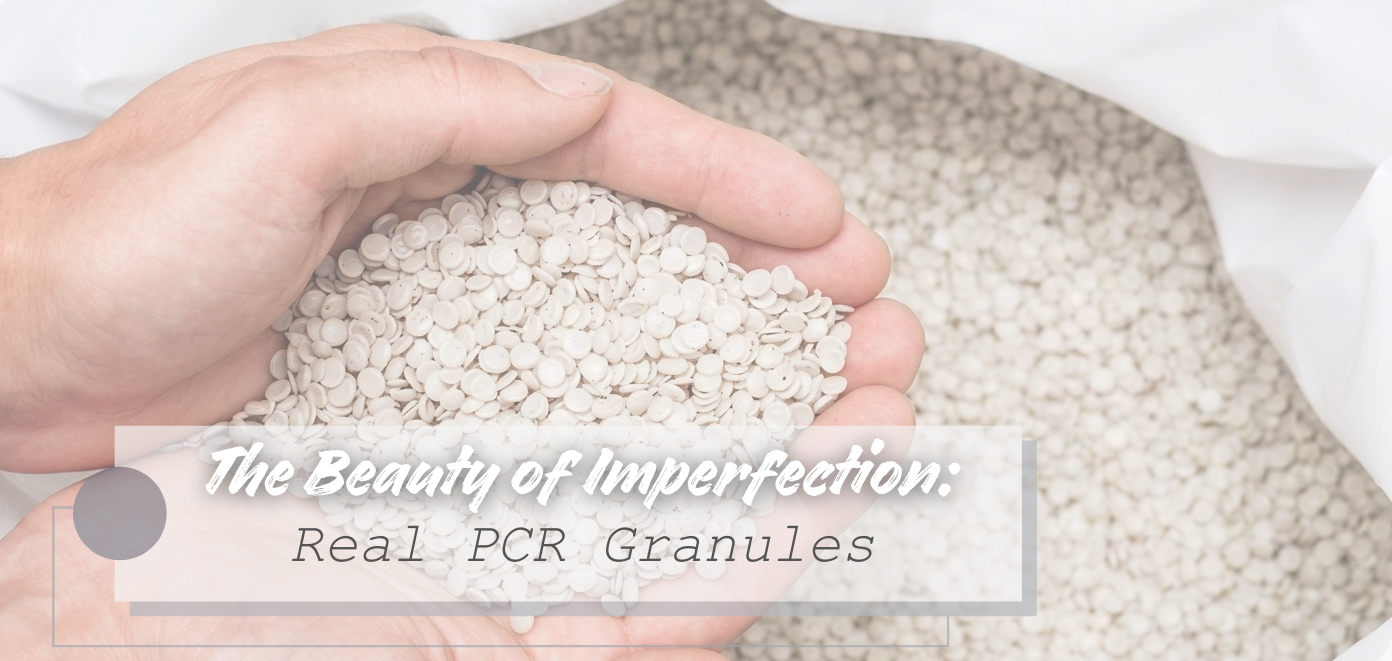
Decoding the Science of Plastic Circularity
From Waste to Resource: A Deep Dive into Plastic Recycling and the Circular Economy
In today’s era of sustainable development and ESG transformation, plastic is no longer viewed as "waste" at the end of its life. Instead, it is a valuable "resource" within a circular system. Through professional recycling technologies, we can effectively alleviate raw material shortages and significantly reduce carbon emissions and energy consumption during production.
The 6 Key Stages of Plastic Rebirth: From Waste to Raw Material
In the current industrial recycling ecosystem, Mechanical Recycling (Pelletizing) is the most mature and widely adopted solution. Here is how post-consumer plastic is transformed through professional equipment to return to the production line:
1. The Recycling Process: Step-by-Step
- Sorting: Materials are precisely categorized by type (e.g., PP, PE, PET). This is the most critical step to ensure the purity of the recycled resin.
- Crushing: High-performance crushers shred large plastic waste into uniform, small flakes for easier processing.
- Washing: This process removes grease, adhesives, and environmental contaminants, ensuring the raw material is clean.
- Drying: Moisture is removed to prevent bubbles or structural defects during subsequent manufacturing.
- Pelletizing (The Core Stage): Clean flakes are melted, extruded, and cut into standardized "Recycled Granules" (Pellets).
- Packaging: The finished recycled pellets are packaged and ready to be shipped back to factories as raw material for new products.
2. Technical Comparison: Mechanical vs. Chemical Recycling
| Feature | Mechanical Recycling | Chemical Recycling |
|---|---|---|
| Core Principle | Shredding and melting without altering the molecular structure. | Breaking molecular chains via chemical reactions back to monomers. |
| Applicable Materials | Single-stream, clean plastics (e.g., PET bottles, pure PP). | Mixed plastics, contaminated waste, or multi-layer laminates. |
| Technical Advantage | Simple process, cost-effective; the current mainstream industrial model. | Produces "virgin-like" quality resin, enabling a true closed-loop cycle. |
| Environmental Impact | Low energy consumption, but may lead to "Downcycling" if sorting is imprecise. | Higher energy demand, but solves the issue of hard-to-recycle waste. |
3. Global Regulatory Trends: Navigating the EU PPWR
For brands planning to enter or expand in the European market, understanding the EU Packaging and Packaging Waste Regulation (PPWR) is vital. This regulation introduces strict requirements aimed at boosting the circular economy:
- Mandatory Recycled Content: The PPWR mandates that by 2030, most plastic packaging must contain a specific minimum percentage of recycled content.
- Design for Recycling (DfR): All packaging must be designed to be easily recyclable, discouraging the use of complex multi-material composites.
- Waste Reduction Targets: It sets ambitious goals for member states to significantly reduce total packaging waste.
4. How to Implement Your Sustainable Packaging Plan?
Understanding the logic of plastic recycling and regulatory trends allows brands to make more informed decisions when choosing packaging.
We recognize that every brand has unique sustainability goals, whether it is meeting PPWR targets or fulfilling internal ESG commitments. For cosmetic packaging needs, COSJAR (TAIWAN K.K. CORP.) offers flexible PCR (Post-Consumer Recycled) customization solutions. Clients can adjust the PCR percentage based on brand positioning and specific regulatory requirements.
Whether you are starting with a lower percentage for a pilot launch or aiming for high-content PCR to meet 2030 goals, COSJAR (TAIWAN K.K. CORP.) can support your development. COSJAR ensures that your packaging maintains a premium aesthetic while embodying the "Waste – Resource – New Product" circular philosophy.
Want to learn more about PPWR compliance or explore custom PCR percentage options?
Contact the professional team at COSJAR (TAIWAN K.K. CORP.) today to discover the infinite possibilities of green packaging!
Photo Gallerys

- Related Products









Meticulously crafted to offer durability, functionality, and style for all your packaging needs.

.png?v=ff9d39bf)
.png?v=c3db2443)
.png?v=93870840)
Decoding the Science of Plastic Circularity | Premium Cosmetic Containers for Beauty Brands - COSJAR
Founded in 1986, COSJAR leads the luxury cosmetic packaging industry with award-winning acrylic designs and strict quality controls (ISO 9001 certified).
We partner with skincare and beauty brands across 50+ countries, offering sustainable and customizable packaging innovations.
Let us help you enhance your brand’s prestige through packaging that speaks luxury, functionality, and environmental consciousness.